Difference between RSP and VOO ETF
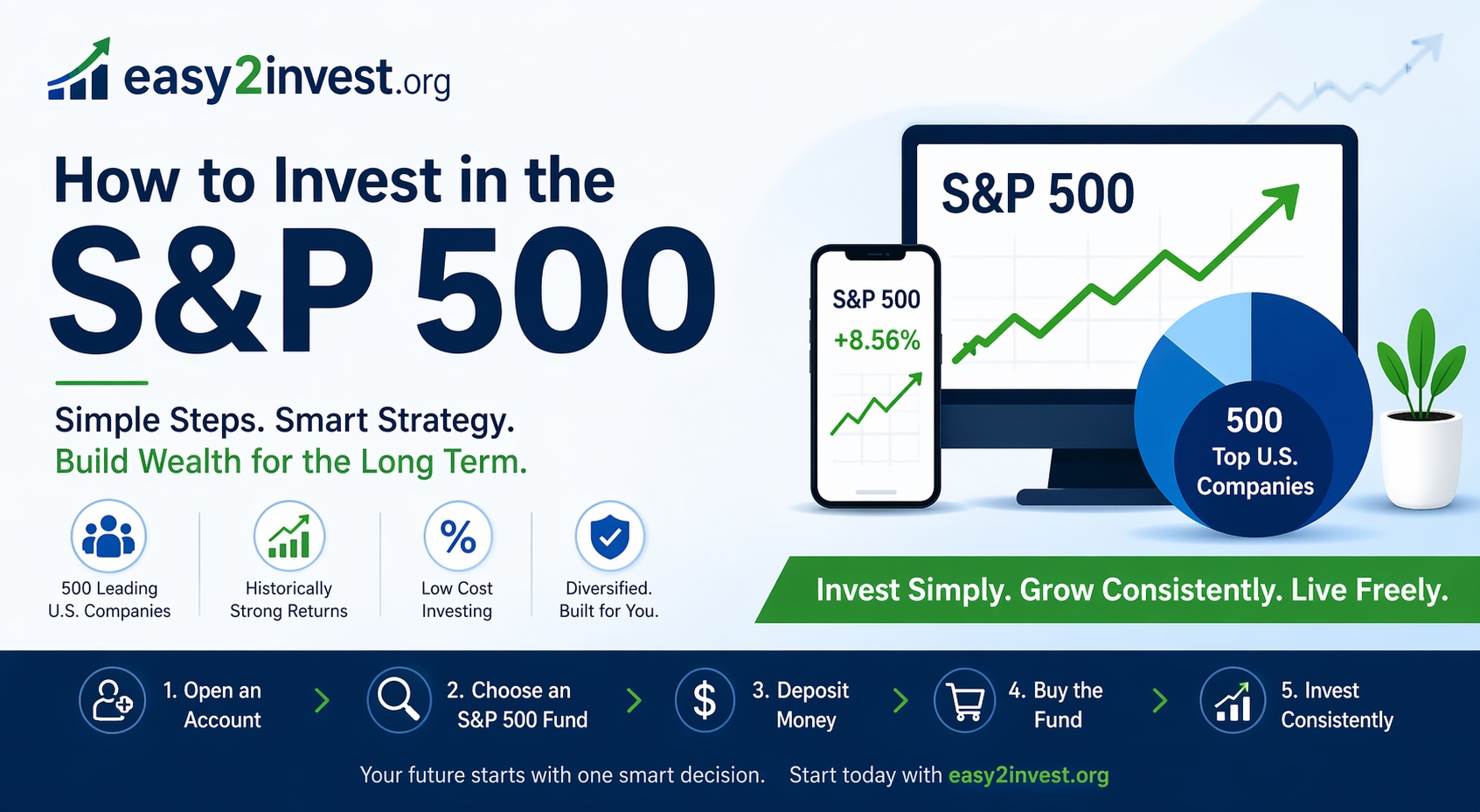
Both invest in the same 500 companies (S&P 500)

Difference between:
- Invesco S&P 500 Equal Weight ETF (RSP)
- Vanguard S&P 500 ETF (VOO)
Core Difference (this is EVERYTHING)
Both invest in the same 500 companies (S&P 500) — but the way they weight them is completely different:
-
VOO ? Market-cap weighted
- Bigger companies = bigger influence
- Apple, Microsoft, Nvidia dominate
-
RSP ? Equal-weighted
- Every company gets ~0.2%
- Small and mid companies matter more
- This single difference drives returns, risk, diversification, and cost
Side-by-Side Comparison
| Feature | RSP | VOO |
| ----------------- | ------------------------------------ | ----------------- |
| Strategy | Equal weight | Market-cap weight |
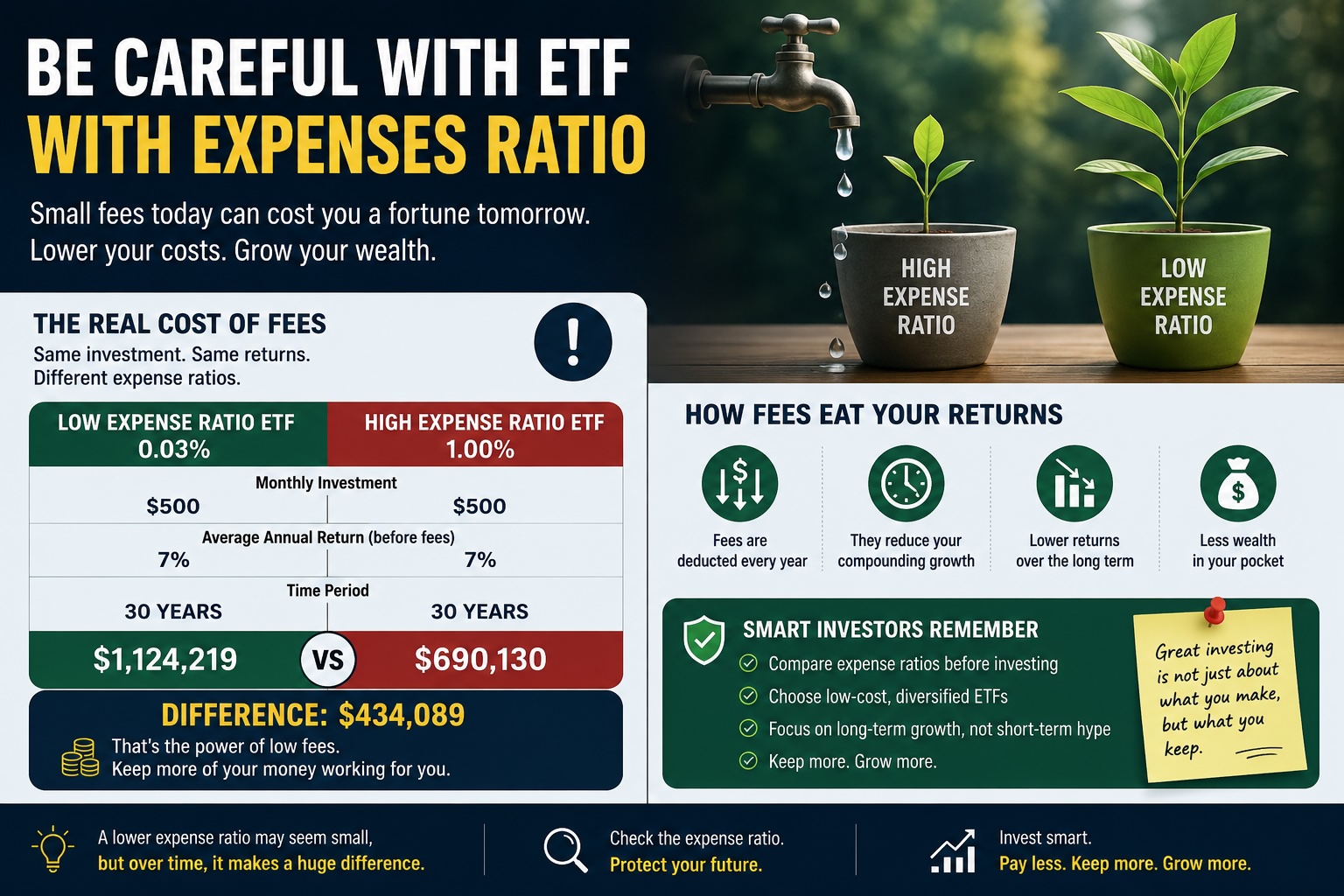
| Expense ratio | ~0.20% | ~0.03% |
| Diversification | Very high (balanced) | Lower (top-heavy) |
| Tech exposure | ~16% | ~30–35% |
| Top 10 weight | ~3% | ~30%+ |
| Long-term returns | Lower | Higher |
| Volatility | Slightly higher | Slightly lower |
| Rebalancing | Quarterly (sell winners, buy losers) | Passive |
Sources: (ETF Database)
Performance (important reality)
-
Over the last 10+ years, VOO has clearly outperformed (Quantflowlab)
-
Example:
- $10K ? VOO Ëś $39K
- $10K ? RSP Ëś $29K (Quantflowlab)
- Why? Because mega-cap tech (Apple, Nvidia, Microsoft) dominated the market.
Risk & Behavior Differences
VOO (market-cap)
Pros
- Lower cost
- Strong historical returns
- Simple, “set and forget”
Cons
- Very concentrated in a few stocks
- If big tech drops ? you feel it hard
RSP (equal-weight)
Pros
- Much better diversification
- Less dependent on big tech
- “Buy low, sell high” built-in (rebalancing)
Cons
- Higher fees
- Lower returns during tech-driven markets
- More turnover (less tax efficient)
When Each One Wins
VOO wins when:
- Big tech dominates (like 2020–2025)
- Market is driven by a few winners
RSP wins when:
- Broader market rallies (small/mid caps)
- Market leadership rotates
- Tech underperforms
- This is why results flip depending on market cycles (The Motley Fool)
So… Which Is Better?
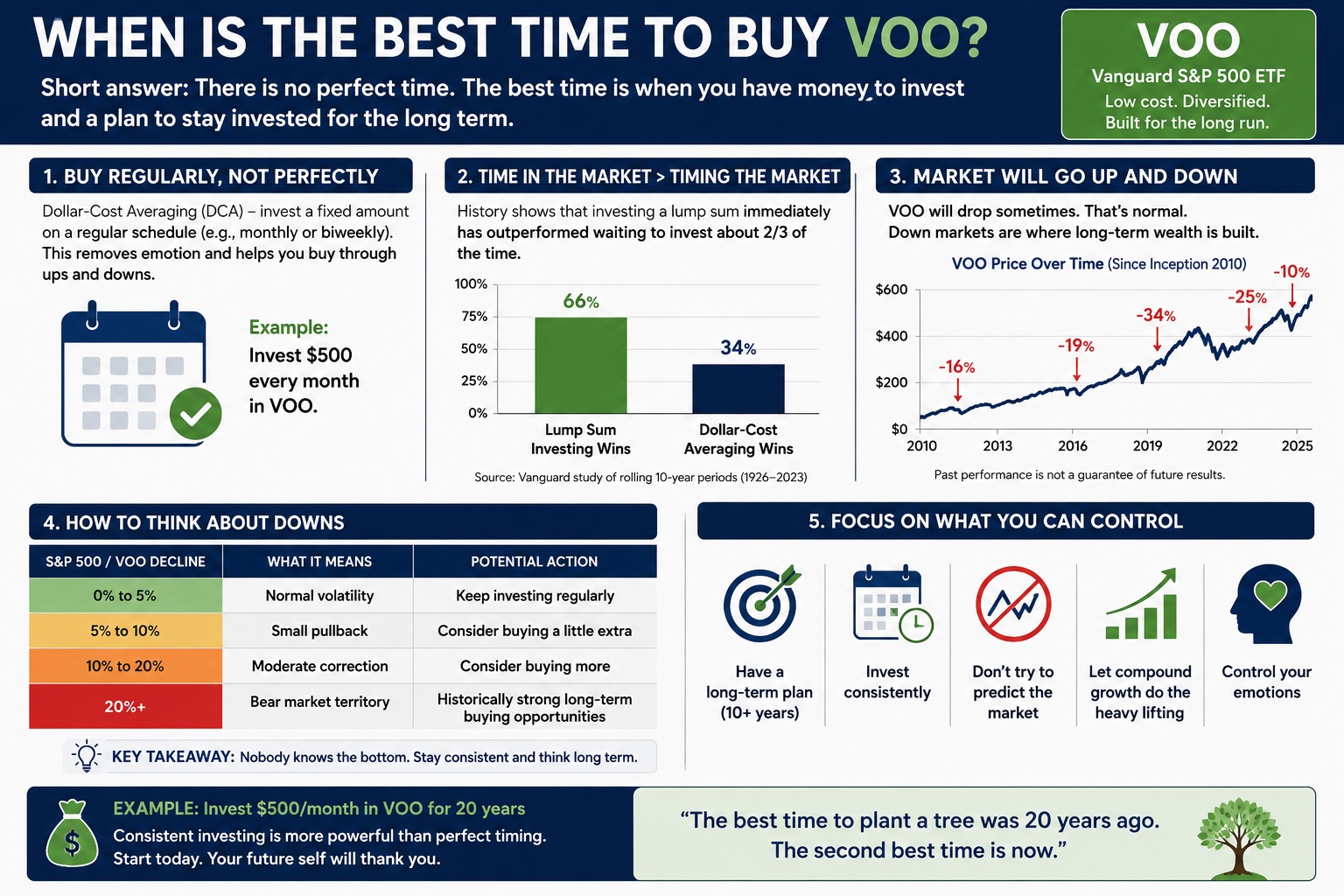
For most investors ? VOO is better
- Lower cost (huge advantage long-term)
- Higher historical returns
- Simpler strategy
Best for:
- Long-term investing (like your VOO plan)
- Passive wealth building
- “Don’t overthink it” approach
RSP is better if you want:
- More diversification
- Less tech concentration
- A different strategy than the standard S&P 500
? Best for:
- Reducing dependence on mega-cap stocks
- Adding variety to a portfolio
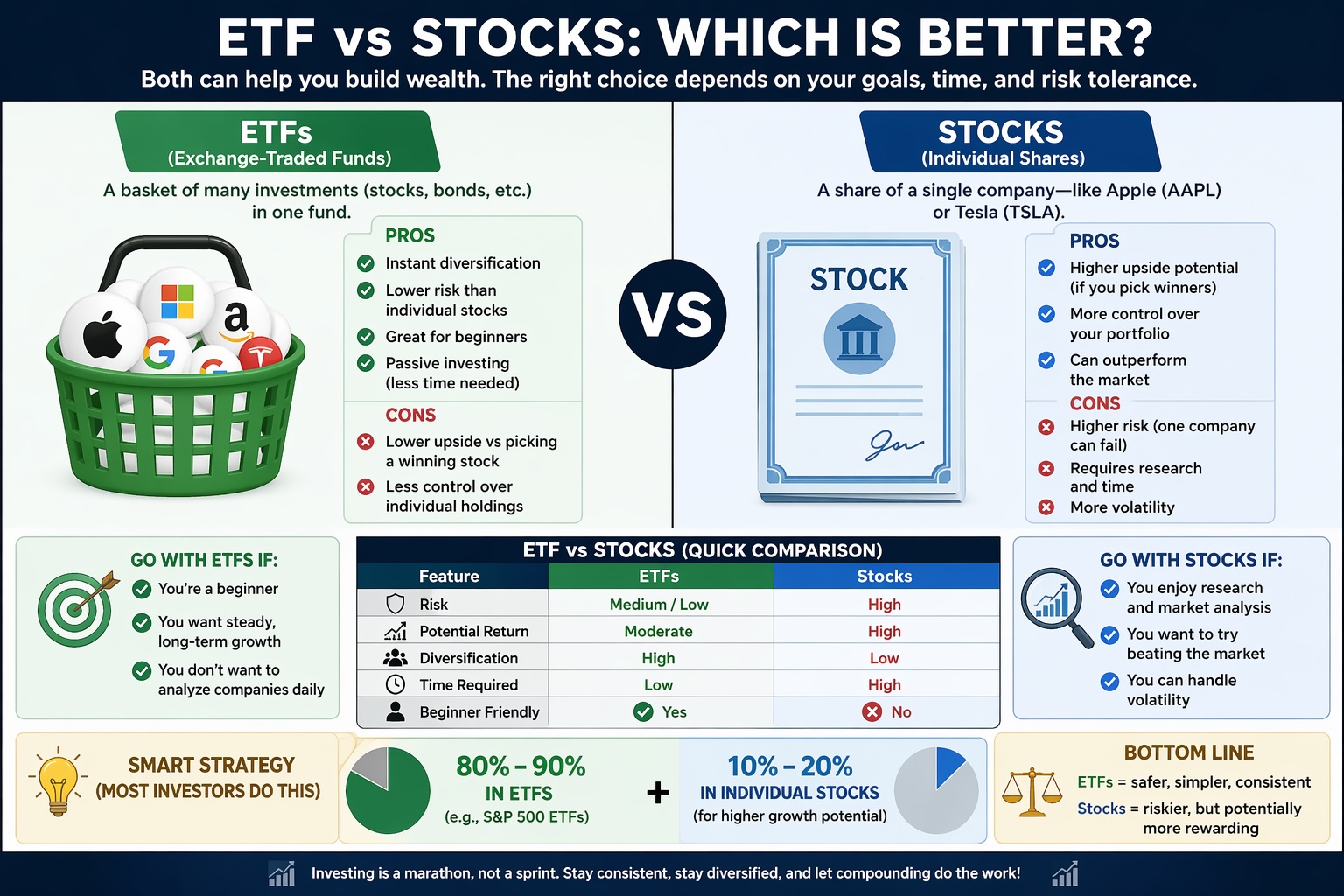
Smart Strategy (what many investors do)
Instead of choosing one:
Combine both:
- 70–90% VOO
- 10–30% RSP
This gives you:
- Growth (VOO)
- Diversification (RSP)
- VOO = growth + low cost + proven winner
- RSP = diversification + balance + alternative exposure
-
If you asked me simply:
-
“Which one should I invest in?”
- I’d say: VOO as your core holding
- Add RSP only if you understand why you want it
All articles here is not a recommendation.
We just show examples and you need to analyze.
Related articles
ETF Invesco QQQ Trust (QQQ)
Is one of the most popular exchange
Comparing IVV, VOO and QQQ
Check and see what is better for you
S&P 500 ETF SPY
Is one of the most popular exchange-traded funds
Mauricio Junior